Alloys & Standards
Keep alloy designation, temper, product specification and acceptance requirements together.
Four parts of a material specification
- Alloy
- The exact designation and designation system.
- Temper
- The specified material condition.
- Product standard
- The named standard and edition, with its relevant product scope.
- Acceptance evidence
- The required material and inspection documents.
Reference library status
Build an Aluminum Specification
A practical checklist for turning an aluminum requirement into a comparable supplier brief.
Read the checklist →Prepare a Surface Finish Brief
Give a finish provider a usable description of appearance, masking and inspection requirements.
Read the checklist →
Record the exact designation system and standard edition. These checklists do not assert cross-system equivalence or universal strength and tolerance values. The Aluminum Association standards resources provide official background.
Material reference notes
Wrought Aluminum Alloy Families
Use series labels to organize research, without treating them as a complete material specification.
Understand the family →Alloy, Temper & Product Standard
Separate material identity, condition and acceptance requirements in the quotation brief.
Write the requirement →
Aluminum profile material and procurement guides
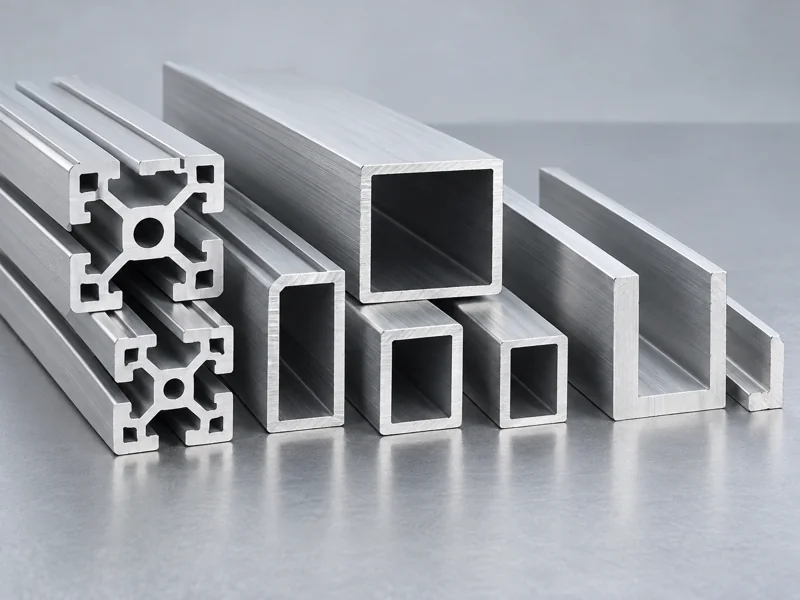
6061 vs 6063 Aluminum Profiles
Compare alloy proposals together with temper, geometry, finish and the supplied component.
Read the guide →
T5 vs T6 Aluminum Temper for Extrusions
Specify material condition and evidence without treating temper as a universal performance rating.
Read the guide →
Anodizing vs Powder Coating Aluminum Profiles
Compare appearance, functional interfaces and inspection scope before choosing a profile finish.
Read the guide →Custom Aluminum Extrusion Buying Guide
Control drawings, tooling, samples and delivered scope from the first quote to production release.
Read the guide →