

Aluminum Height-Adjustable Transition Strip: Use Grooved Clips to Tame Floor Material Gaps, Turning Tile/Wood/Stone Joints into Sleek, Polished Details
Multi-Color, Style-Flexible Floor Strip—Aluminum Build is Scratch-Resistant & Durable, Seamlessly Fixes Height Differences for a Unified, High-End Floor Transition
Cindy Fu
2 min read
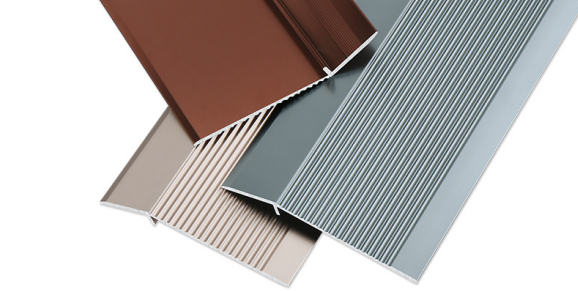
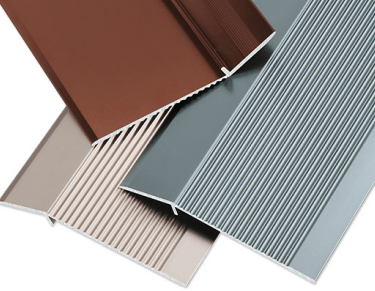
The most revealing "rough spots" in decor often hide at floor material joints: uneven tile-wood transitions are uncomfortable and unsightly, while stone-laminate gaps trap dirt and look disjointed. Aluminum height-adjustable transition strips (like the black, gold, and white styles here) transform these flaws into polished highlights—a true "space texture tool."
Its core strength lies in the dual advantages of "grooved clips + aluminum material": The grooved clip design precisely locks into 2-5mm floor height differences, whether between solid wood flooring and vintage tiles or stone and laminate. It levels the transition to feel like a single continuous surface. Unlike plastic or PVC strips, the aluminum build is far more durable: it resists deformation from heavy foot traffic, cleaning tool friction, and even heavy furniture drags during moves. Installed in high-traffic areas like foyers or living rooms, it stays straight and sleek for 5-6 years.
The multi-color options are tailored to all decor styles: The black strip exudes calmness, ideal for industrial-style dark gray tile-dark wood floor joints to tame visual clutter; the gold strip carries a luxurious sheen, pairing with marble-wood platform joints in luxury spaces to echo metal decor and hardware, subtly boosting elegance; the white strip is a minimalist "invisible weapon," blending with light tiles or wood to create a cohesive, unified floor. Custom wood-grain or stone-grain finishes are also available for niche decor needs.
As a "universal floor transition partner," it works with most common floor materials: solid wood-vintage tile joints, laminate-marble seams, and even height differences between tiles of varying thicknesses. It seamlessly connects materials without overshadowing tile’s sleekness or wood’s warmth, uniting once-disparate floors into a harmonious whole.
Its ease of installation suits all decor scenarios: Simply clean the joint, align the strip’s grooved clips with the height difference, snap it in, and secure with hidden fasteners. No messy glue or complex tools are needed—even novice DIYers can finish one joint in 10 minutes. Contractors can use it to standardize floor details quickly, reducing rework risks.
In practice, it elevates space texture dramatically: For example, a foyer’s slip-resistant tile-living room solid wood joint, finished with a black strip, turns a bumpy gap into a sharp visual divide while protecting wood from moisture; a luxury dining room’s marble platform-wood floor joint, paired with a gold strip, echoes brass table legs for cohesive elegance; a minimalist bedroom’s light tile-wood joint, using a white strip, makes small spaces feel more open. These details embody "high-end in the small things" for floor decor.
Best of all, it balances function and aesthetics: Beyond fixing gaps and height differences, the sturdy aluminum protects joints from heavy impacts; its slim profile avoids bulky transitions, keeping narrow hallway joints visually light.
In short, this aluminum height-adjustable transition strip is a "polish booster" for floor decor—solving height differences with grooved clips, fitting all styles with multi-colors, and ensuring quality with durable aluminum. To upgrade floor joints from rough to refined, this is the perfect choice: material-versatile, easy to install, and a quiet upgrade to your space’s overall texture.
Get in touch
Address
Wuqiang Industrial Zone,Hengshui,City,Hebei,China.
Follow Us




Cindy
Tel: +86 18849170174
cindy@sinohaike.com