R&D Support System
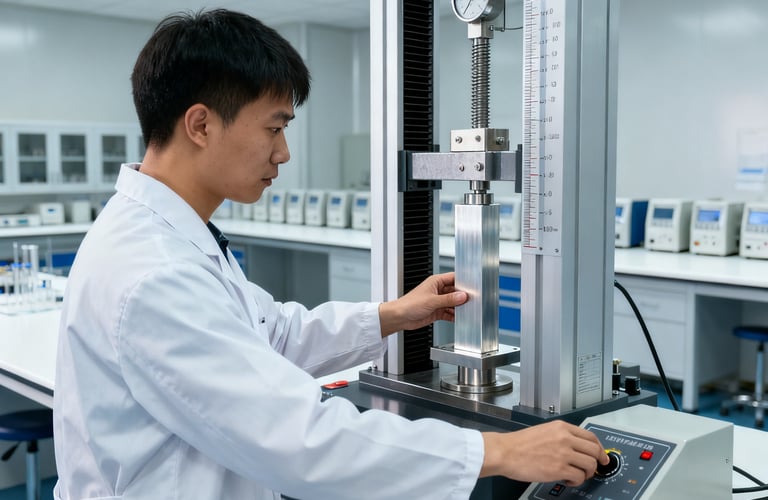


R&D Center
Focus on Material and Structural Innovation for Full-Scenario Adaptation
Core Direction
Focus on optimizing core aluminum alloy formulas, deeply adapting to mainstream alloy systems such as 6063, 6061, and 6005A. We develop high-performance profiles with corrosion resistance, high strength, and light weight to meet the performance requirements of various industrial scenarios.
Precise Application Scenario Adaptation
Core Performance Value
Corrosion Resistance: Passes professional neutral salt spray testing, adaptable to harsh environments like outdoor and coastal areas, effectively extending product service life.
High Strength: Tensile strength reaches advanced industry levels, meeting load-bearing and deformation-resistant requirements with enhanced structural stability.
Lightweight: 20%-30% lighter than traditional profiles, reducing transportation and installation costs while improving the market competitiveness of end products.
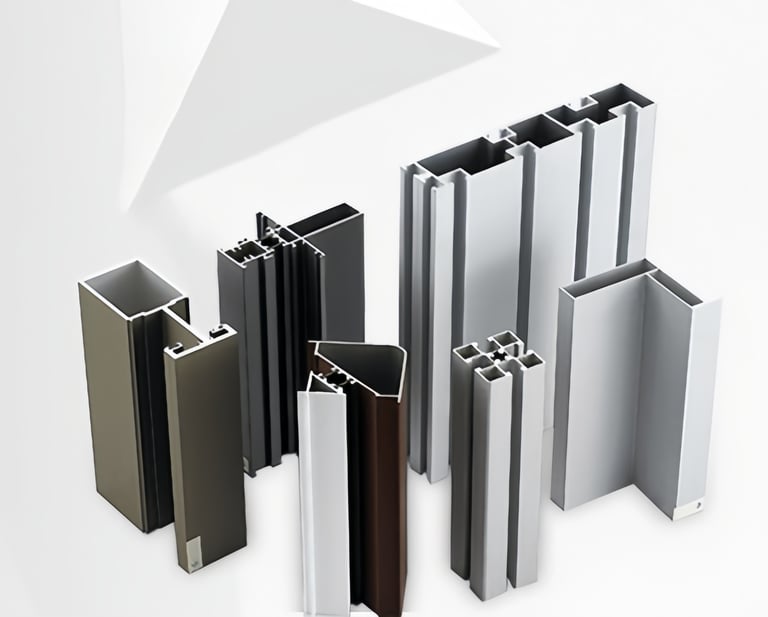
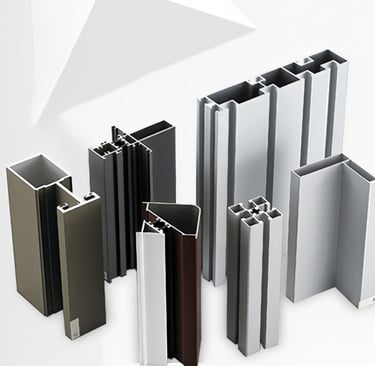


6063 Alloy: Suitable for architectural decoration, door/window curtain walls. Balances processing convenience and surface decorative texture with stable forming effects.
6061 Alloy: Ideal for load-bearing needs such as industrial structural parts and mechanical brackets. Features balanced strength and toughness to withstand complex working conditions.
6005A Alloy: Designed for new energy vehicle and rail transit profiles. Offers significant lightweight advantages to optimize energy consumption of end products
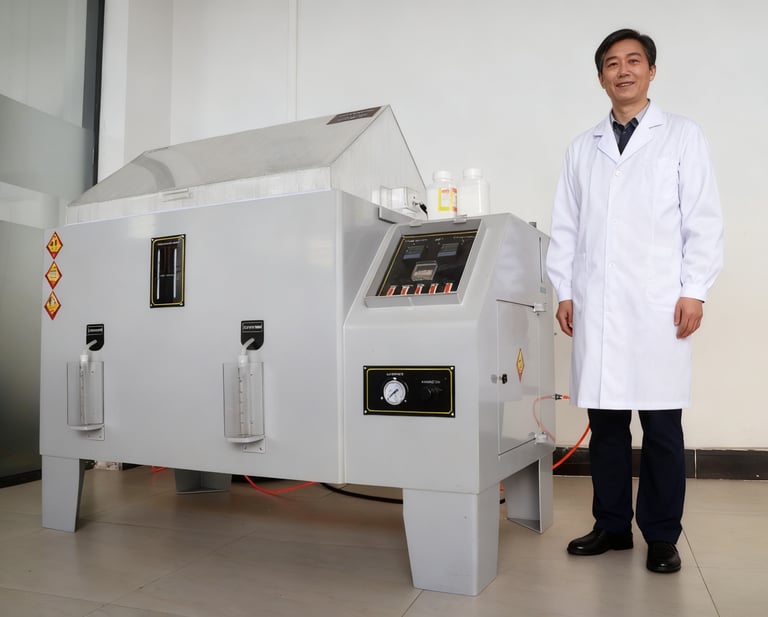


All alloy formulas strictly comply with domestic and international environmental and quality standards such as GB/T 5237 and EU RoHS. We support third-party authoritative testing and certification, and can provide complete test reports.
Structural Design Team
Core Capabilities
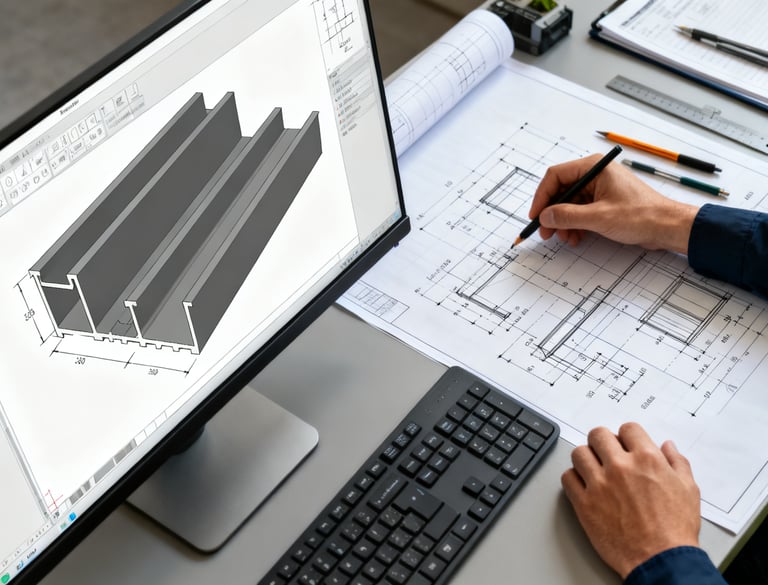
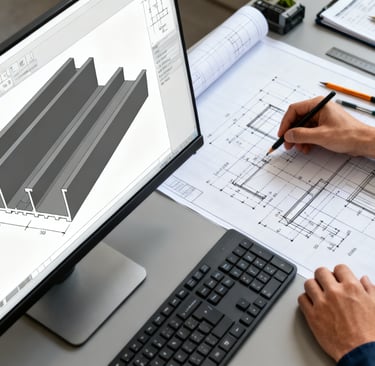
Leveraging CAD/CAM 3D digital modeling technology and Finite Element Analysis (FEA) simulation, we specialize in optimizing non-standard profile structures. Our designs deeply adapt to customers' actual installation scenarios, achieving full-process adaptation from "design to use to installation."
Standardized Design Process
Demand Communication: Precisely capture core customer requirements such as installation space, assembly method, and operating environment.
3D Modeling: Generate visual 3D models to intuitively present profile structure, hole layout, and assembly details for customer confirmation.
Simulation Analysis: Use FEA technology to simulate profile stress and deformation resistance, avoiding potential risks in advance and reducing physical prototyping costs.
Structural Optimization: Adjust designs for installation convenience (e.g., optimizing connecting buckles, reserving precise mounting holes) to reduce on-site construction difficulty and man-hours.
Ensure profiles not only meet basic usage needs but also deliver an upgraded experience of "easy to use, install, and maintain." Help customers reduce installation losses and long-term maintenance costs.
Patents and Technology Reserve
Patent Layout
We hold multiple national authorized patents, forming a dual-track layout of "core technology + appearance innovation" to provide dual protection for customers' products:
Utility Model Patents: Focus on key production links such as mold structure improvement and extrusion process optimization. Directly enhance production efficiency and product precision, and have been fully applied in mass production.
Design Patents: Provide exclusive appearance solutions for high-end decoration and customized scenarios. Help customers' products achieve differentiated competition and enhance brand recognition.
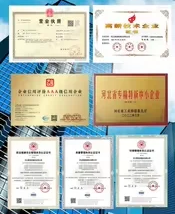
Core patented technologies have been scaled up in production: Through the optimization of extrusion process patents, the qualified rate of product forming reaches over 98%; with the upgrade of mold structure patents, the precision of profile dimensional tolerance control is improved by 30%, and stability is significantly enhanced.
The company allocates 5% of annual revenue to special R&D investment, establishing a closed-loop system of "market demand → technology R&D → mass production → feedback iteration." We continuously track industry technology trends and iterate core technologies and product solutions.
Get in touch
Address
Wuqiang Industrial Zone,Hengshui,City,Hebei,China.
Follow Us




Cindy
Tel: +86 18849170174
cindy@sinohaike.com