Custom Aluminum Extrusion Buying Guide
Prepare drawings and written scope, clarify die and minimum-order terms, and connect trial samples to a controlled production release.
AlumHome buying resources · Updated · How source information is used
The short buying answer
- Send a controlled quote package
- Include section/drawing revision, alloy and temper requirements, lengths, supplied operations, trial/repeat quantities, destination and acceptance records.
- Ask for separate setup and repeat terms
- Identify tooling, trial/correction and sample charges separately from recurring material, processing, finishing, inspection and delivery scope.
- Resolve MOQ and timing in writing
- Ask the actual supplier what minimum quantity applies to this section and supplied condition, and which approvals or material events start the schedule.
Start with the purchase requirement
A custom extrusion order is more than a price per kilogram. It can include die development, trials, material supply, cutting, machining, finishing, inspection and packing. Start with a controlled section and a clear delivered-item description. Then ask each supplier to identify what it will supply, what remains a design or approval decision and what is excluded. This guide helps organize the purchase sequence without inventing universal tooling costs, minimum orders or lead times.
Understand the material or process
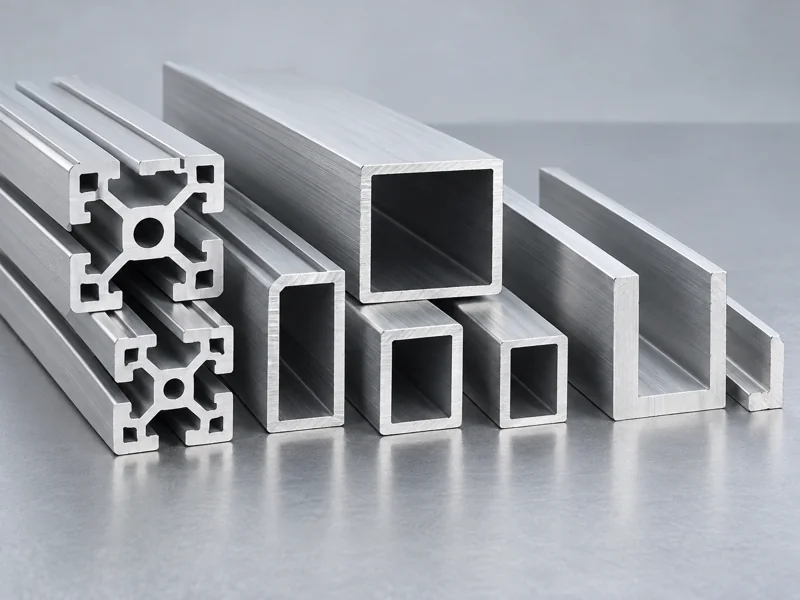
AEC distinguishes solid and hollow extrusion dies and explains that tooling can include supporting components in addition to the die itself. It also emphasizes cooperation among the designer, die maker, extruder and purchaser. For your quote, request a defined tooling scope and feasibility review for the actual section rather than assuming every profile uses the same tool or charge.
What to compare
| Milestone | Buyer supplies | Supplier response to request |
|---|---|---|
| Feasibility | Controlled section, units, material requirement and critical interfaces. | Proposed route, technical questions, changes and responsibility boundaries. |
| Tooling quote | Trial scope, ownership expectations and drawing revision. | Included tooling, charges, revision terms, storage and reuse conditions. |
| Trial sample | Features to review, evidence requirements and approval owner. | Sample identifiers, applicable documents and deviations to resolve. |
| Production release | Accepted revision, scope and unresolved-item decisions. | Confirmed material, operations, inspection and lot-identification plan. |
| Dispatch | Destination, protection, marking and receiving requirements. | Agreed packing, shipment scope and accompanying documents. |
| Repeat order | Prior order reference and controlled current revision. | Tool status, changed terms, new feasibility issues and current availability. |
Prepare the first inquiry package
Identify the section drawing and revision, units, length, critical dimensions and functional interfaces. State the required alloy and temper or identify a proposal that needs review. Distinguish extruded lengths from finished pieces with holes, threads, machined faces, accessories or assembly. List trial and repeat quantities separately with their units. Add destination and timing requirements, but ask the supplier to confirm a current commitment rather than assuming a platform promise.
Agree tooling terms before payment
Ask whether the quote covers the complete tooling set, trial correction, supporting tooling and sample production. Record who owns the tool, where it is stored, whether another customer may use the section and what happens if the buyer requests a revision. Clarify maintenance, replacement, inactivity and repeat-order terms with the contracting supplier. Do not assume payment for a die means the buyer owns every associated drawing or support tool.
Review feasibility changes visibly
A supplier may suggest wall, corner, tolerance or section changes. Request a marked proposal with the original and proposed revision clearly separated. Have the responsible designer assess fit and function before acceptance. Keep the accepted revision attached to the quotation and order. A conversation about easier extrusion should not silently change the delivered product specification.
Make trial acceptance specific
Define the trial quantity, supplied state and inspection evidence in advance. Record which dimensions, appearance features and assembly interfaces are reviewed, by whom and against which requirement. Keep deviations and corrective actions visible. Tool trial success, dimensional acceptance and approval of the full application are separate decisions. A photograph of the section cannot replace the agreed checks on an identified sample.
Compare the complete recurring cost
Ask for separate tooling, sample, material, cutting, machining, finishing, inspection and packing items where relevant. Record the quotation unit and what length, mass or piece it represents. Clarify minimum-order basis, excess or short quantity handling, transport terms and any unquoted step. Compare the recurring delivered scope separately from the initial trial expense; retain exclusions so later orders remain comparable.
Release and repeat with traceability
For production, retain the accepted drawing, material condition, finish reference, inspection plan and order terms. Agree how delivered items are identified and linked to the lot documents. For a repeat order, reference the prior tool and sample decisions but ask about current tool condition, revisions and commercial availability. Archive actual supplier acknowledgements and quotation clarifications in the reply tracker before treating the order as confirmed.
Build your procurement checklist
- Section drawing revision, units and critical features
- Record the controlled requirement, supplier proposal or unresolved question for this item.
- Alloy, temper and applicable product specification
- Record the controlled requirement, supplier proposal or unresolved question for this item.
- Extruded lengths or finished-component operations
- Record the controlled requirement, supplier proposal or unresolved question for this item.
- Finish, masking and packing requirements
- Record the controlled requirement, supplier proposal or unresolved question for this item.
- Trial / production quantities and quotation units
- Record the controlled requirement, supplier proposal or unresolved question for this item.
- Tooling inclusions, ownership, correction and repeat-order terms
- Record the controlled requirement, supplier proposal or unresolved question for this item.
- Sample review, production inspection and approval owner
- Record the controlled requirement, supplier proposal or unresolved question for this item.
Continue from the requirement
Research supplier scope and source evidence, then confirm the exact material, operations and current commercial terms. The inquiry center prepares a draft addressed to Tony; it does not automatically send requests to directory companies. Add the downloaded checklist and drawings manually. Record a real acknowledgement separately from opening an email link.
Custom Aluminum Extrusion Buying Guide — buyer questions
- What information is needed for a custom extrusion quote?
- Provide a controlled section/drawing revision, material requirement, lengths, delivered processing state, trial and repeat quantities, destination and acceptance needs. Identify open selections as proposals requiring review.
- How much does a custom extrusion die cost?
- Request an itemized quote for the actual section and tooling set. Confirm supporting tooling, trials, corrections and ownership terms. There is no price established by this guide or by a generic supplier listing.
- What MOQ applies to a custom aluminum extrusion?
- Ask the supplier to state the minimum quantity and unit for the proposed section, alloy, finishing and order split. Separate trial samples from repeat production; a platform-wide minimum does not establish the terms of your order.
- Does paying for a die give the buyer ownership?
- Agree ownership, storage, use, maintenance, revision and repeat-order rights explicitly with the contracting supplier. The payment line alone does not resolve every tooling or drawing right.
- When does the quoted lead time start?
- Ask whether the schedule starts after drawing agreement, payment, tooling completion, sample approval or material availability. Record the trigger and supplier commitment with the quotation revision.
- Can a sample photo release production?
- A photo is supporting context. Follow the agreed inspection and review process for dimensions, material evidence and application acceptance, and name the authorized release owner.
Sources and review scope
AEC: extrusion dies and tooling scope · AEC: extrusion manual overview
Primary sources reviewed 3 October 2026. The comparison tables, examples and procurement checklists are AlumHome editorial guidance. Source organizations do not endorse these pages or linked suppliers. Use the applicable product documents and responsible design review for order acceptance.
Machining, samples and finished-part delivery
Aluminum Cutting & CNC Machining Procurement
Turn a controlled drawing into a comparable quotation for cut lengths and finished machined parts.
Read the guide →Aluminum Sample & Production Acceptance Guide
Keep sample identity, drawing evidence, deviations and production release decisions traceable.
Read the guide →
Put the guide into your purchase record
Use the same delivered-item description and drawing revision when moving from this guide to supplier research, quotations and sample review.