Aluminum Profile Alloy, Temper & Surface Finish
Compare 6061 or 6063 proposals, material condition and mill, anodized or powder-coated finish requirements.
See the application
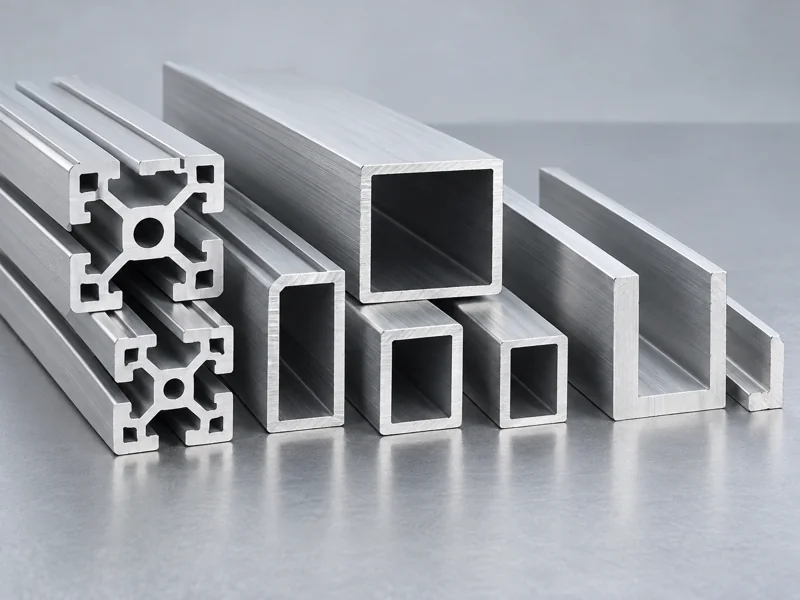
Keep three decisions visible
Material identity, material condition and surface treatment belong in separate fields. A quotation saying only “aluminum profile, black” does not identify alloy, temper, finish process, masking or acceptance requirements. Start with the controlled product requirement and ask the supplier to identify each proposed item. This guide helps compare proposals; it does not assign a universal material or coating to an application.
Compare material proposals
- 6061 or 6063 proposal
- If either alloy is proposed, ask which required property, extrusion geometry or manufacturing requirement supports the choice. Request the exact temper, product specification and order evidence. Do not approve a substitution from the alloy number alone.
- Temper and delivered condition
- Keep the temper designation with the alloy and product requirement. Ask the supplier to identify the actual delivered condition after the proposed operations and to document alternatives. The name of an alloy alone does not describe every supplied property.
- Section and extrusion feasibility
- Discuss walls, features and critical tolerances with the designer and supplier. Mark the function of tight requirements instead of copying the same tolerance to every dimension. Record any proposed section changes separately.
- Order-specific material evidence
- Identify the document required for the supplied order, named material, traceability and reviewer. A generic catalog alloy list does not establish composition or condition of delivered material.
Compare finish proposals without losing interfaces
- Mill-finish proposal
- Record delivered surface condition, handling marks and appearance acceptance. Ask whether protective packing and any later treatment are included in the scope. Identify surfaces that must arrive ready for subsequent operations.
- Anodizing proposal
- Request the named process, appearance reference, acceptance checks and masking map. Keep threaded, mating, thermal-contact and electrical-contact areas explicit on the controlled drawing. Confirm inspection responsibility for finished parts.
- Powder-coating proposal
- Specify the approved coating and appearance requirement, preparation, masking and acceptance. Ask who performs coating and how finished dimensions and protected faces are checked. Agree how a proposed coating change is reviewed.
- A comparable quotation
- Keep visible faces, treatment requirements, masking, inspection and packing consistent. A shared color description does not specify the same finish process or acceptance boundary.
Apply the finish decision to the product
Industrial frame
Tie finish and masking to joints, sliding or mating surfaces, panels and appearance. Record which machined features are checked after treatment.
Heat sink
Have the thermal designer review finish together with contact and interface requirements. Do not infer installed cooling performance from black appearance or a photograph.
Solar mounting component
Have the system designer define finish and electrical-contact interfaces for the exact assembly. Keep changes linked to the project documents.
Buyer questions
Is 6061 always preferable to 6063?
Selection must meet the product requirement and manufacturing route. Ask for order-specific reasoning and evidence for the proposed alloy and temper rather than treating a number as an approval.
Can black finish mean anodizing or powder coating?
Color alone does not specify the process. Ask for the finish name, appearance reference, treatment requirements and masking.
Can a finish be approved from an online image?
Use images for discussion, then agree the required reference or sample and functional requirements. An image does not establish coating or contact-face acceptance.
Should finish be specified before quoting?
Include it with drawing and quantity so suppliers quote treatment, masking, inspection and packing on the same basis. Record unresolved choices explicitly.
What if the supplier suggests a different material or treatment?
Request a written alternative naming every changed field. The responsible designer should assess effects on fit, function and required validation before acceptance.
Technical references and sourcing steps
Hydro’s alloy-choice overview explains that alloying changes material properties. Its tolerance overview links achievable tolerances to geometry, wall thickness and alloy. Its surface-treatment overview lists functional and appearance reasons for treatment.
Primary references reviewed 3 October 2026. Public overviews do not supply order-specific property limits or full treatment requirements; agree these with the designer and supplier.
Aluminum profile material and procurement guides
6061 vs 6063 Aluminum Profiles
Compare alloy proposals together with temper, geometry, finish and the supplied component.
Read the guide →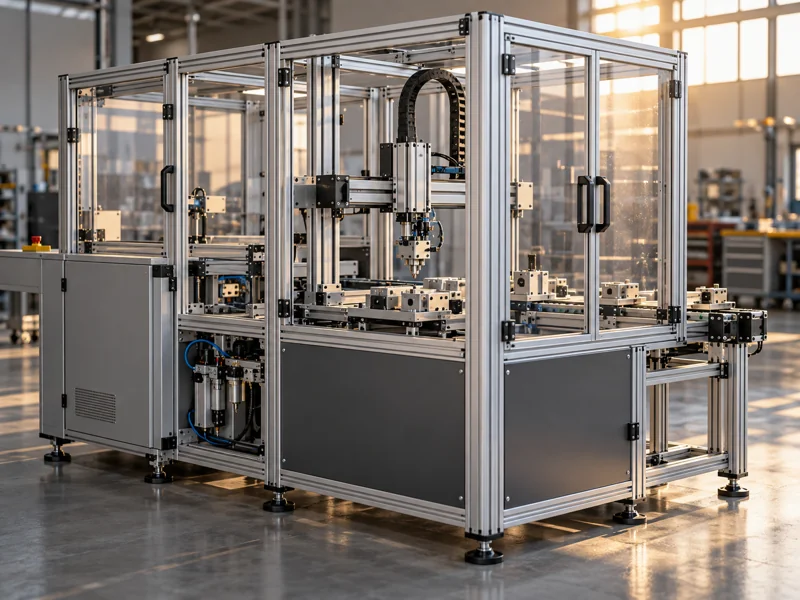
T5 vs T6 Aluminum Temper for Extrusions
Specify material condition and evidence without treating temper as a universal performance rating.
Read the guide →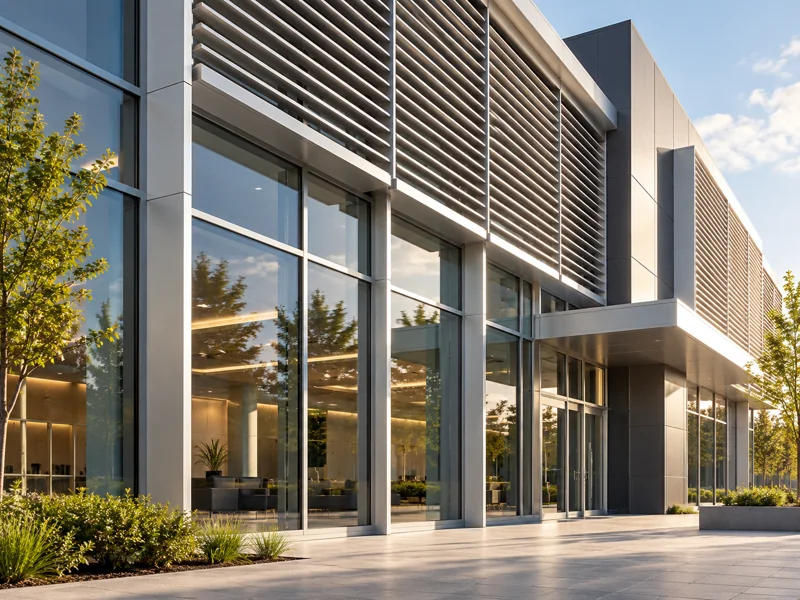
Anodizing vs Powder Coating Aluminum Profiles
Compare appearance, functional interfaces and inspection scope before choosing a profile finish.
Read the guide →Custom Aluminum Extrusion Buying Guide
Control drawings, tooling, samples and delivered scope from the first quote to production release.
Read the guide →