Control Extrusion Drawings and Sample Evidence
Record the revision, sample identity and outstanding questions before an order release decision.
A sample needs an identity
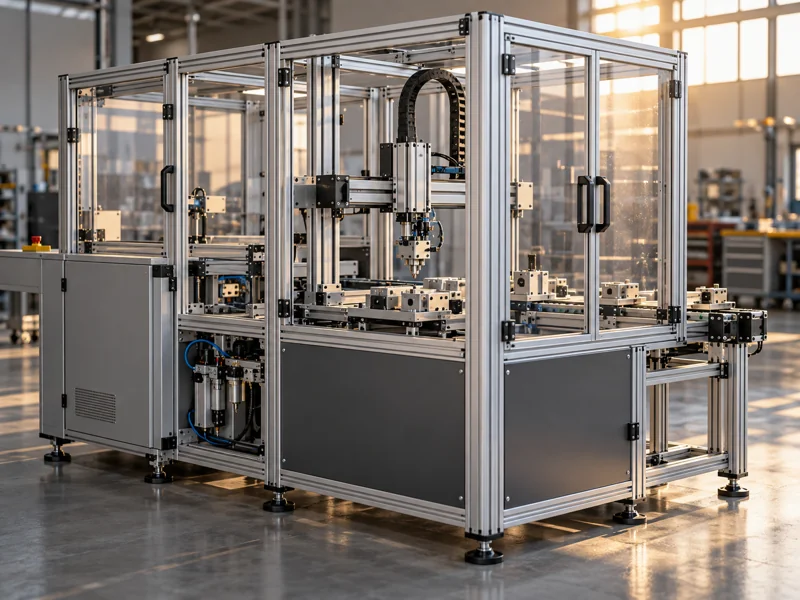
A photograph, a loose sample and a test report can refer to different products or revisions. Build a small review record that ties each piece of evidence to the proposed delivered part. Use the record to identify gaps; the responsible people still need to make and document the release decision.
Build a controlled review record
- Drawing set
- Record drawing number, revision, date, units and the named document owner. Identify the cross-section drawing, finished-part drawing and any separate finish specification.
- Material condition
- Record the quoted alloy, temper and product specification reference. Ask whether the sample and intended production supply use the same agreed condition.
- Sample identity
- Identify sample number, batch or trial reference, supplier and producing site where confirmed. Record which processes the sample has received and which are still pending.
- Dimensional evidence
- List the agreed dimensions and inspection references. Tie the report to the sample and drawing revision. Record the method or unresolved measurement question with the responsible reviewer.
- Finish and appearance
- Link the agreed finish reference, visible surfaces, masking requirements and accepted appearance sample where relevant. Identify lighting or inspection conditions that still need agreement.
- Deviations
- Record each difference from the requested requirement, the proposed disposition and who is authorized to resolve it. Do not let a supplier's proposed change silently become the production specification.
Separate the decision stages
- Before the trialAgree the drawing set, sample scope, inspection plan, tooling terms and reviewers.
- When evidence arrivesMatch sample and report identities to the controlled revision. Ask for missing or inconsistent records.
- Before production releaseResolve deviations and record the authorized decision, its conditions and the exact documents it covers.
- For repeat ordersConfirm the revision and any changes in material, process, site or acceptance scope. Keep the previous approval reference available.
A change example
A trial sample is measured against revision A, while the purchase order refers to revision B. Record the mismatch and ask which features changed. Request evidence against the intended revision or an explicit documented disposition from the authorized reviewer. Do not relabel the existing report as covering the new drawing.
Use the browser tool to collect document references and unresolved actions. Selecting “Evidence recorded” only states that you entered a reference; it does not approve a sample or authorize production.
Technical background
Hydro's design manual identifies profile design, wall thickness and alloy as factors affecting achievable tolerances. Its discussion also notes that tighter tolerances can affect productivity and price. Use the manufacturer's profile-tolerance discussion as design background, then agree order-specific requirements with the responsible engineer and supplier.
Primary reference reviewed 2 October 2026. No standard tolerance values, current standard editions or technical equivalence are assigned by this checklist.