Skirting and related interior references
Keep skirting, lighting and handle supply scopes distinct.
Read the procurement reference →Choose requirements for industrial framing, heat sinks and solar mounting, then connect the section drawing to suppliers and a clear purchasing scope.
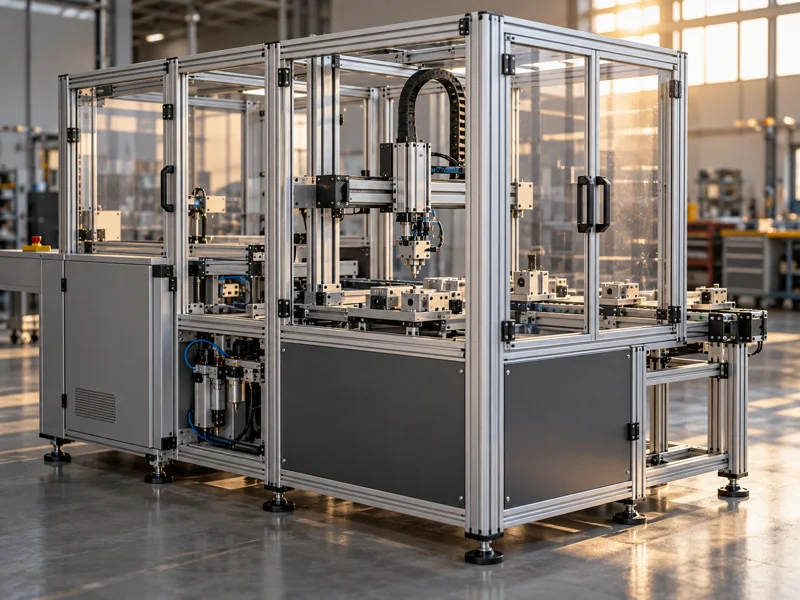
Choose the section, connections and delivered assembly scope for workstations, machine frames and equipment supports.
Choose requirements →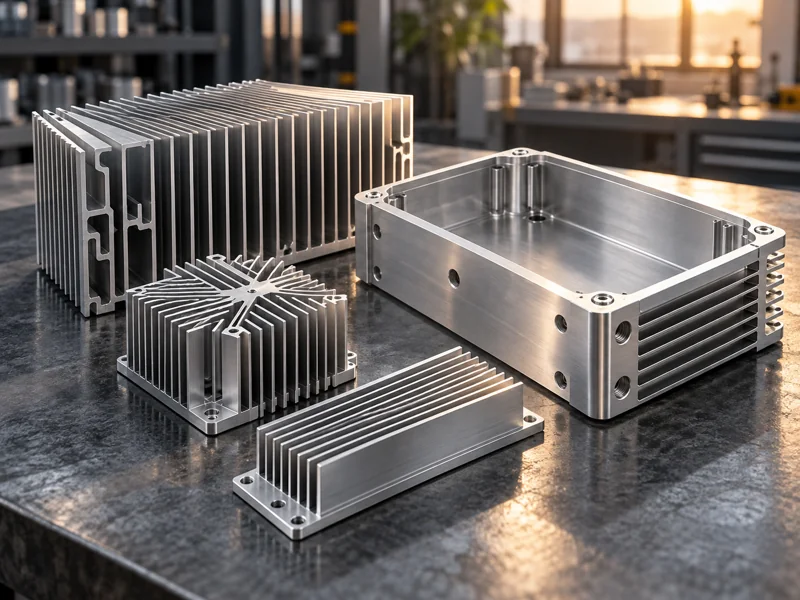
Connect extrusion geometry to heat load, airflow, installation space and the finished contact surface.
Choose requirements →
Define rail geometry, mating hardware and project evidence before sourcing solar mounting extrusions.
Choose requirements →Find the relevant company role and evidence fields.
Explore →Understand the operations in the proposed route.
Explore →Put the requirement into one structured document.
Explore →Review the drawing, operation scope and acceptance questions for this product form.
Read the process checklist →Keep material, geometry, processing and required evidence together.
Build the requirement →Check what is included, excluded or proposed as an alternative.
Review the comparison checklist →For a stock section, supply a controlled cross-section drawing and supplier reference. For a custom profile, ask separately about die cost, ownership, modification rights and repeat-order availability. A similar-looking section is not evidence of compatibility.
Identify finished lengths, holes, slots, threads, mating faces and deburring requirements. Confirm which drawing revision governs the offer and whether machining, finishing and packing are included.
Mark critical dimensions and visible faces. Agree finish, colour reference, protective packing, sample approval and inspection before and after finishing. Confirm who approves substitutions.
The Aluminum Association processing overview describes extrusion, rolling and drawing routes. The questions above are AlumHome procurement checklists, not supplier capability claims or engineering approval. Reviewed 2 October 2026.
Read source-described profile scope and evidence limits. No current stock or quotation is established.
Review the published extrusion scope and confirm the contracting entity for your order.
Review the architectural and industrial profile sources, then confirm the proposed extrusion and finishing sites.
Keep alloy, temper and product acceptance requirements together.
Define the delivery route, tooling boundary and sample evidence before a production release decision.
Connect the section drawing, tooling terms, processing and source-documented company research in one procurement route.
Review the published company ranges alongside the information needed for a comparable quotation.
Choose the application above and collect its drawing, operating conditions and interfaces. Record unknown fields rather than selecting a section by appearance.
Company links lead to sourced research with evidence limits. Confirm the exact order scope and relevant evidence with each supplier.
Each application page offers an editable local checklist. It does not send a request or select an engineering design. Review it before sharing.
Keep drawing revision, material condition, finish, delivered stage, quantity, inspection, packing and destination consistent. List tooling and exclusions separately.

Control the drawing, delivered scope, accessory interfaces and acceptance evidence.
Control the drawing, delivered scope, accessory interfaces and acceptance evidence.
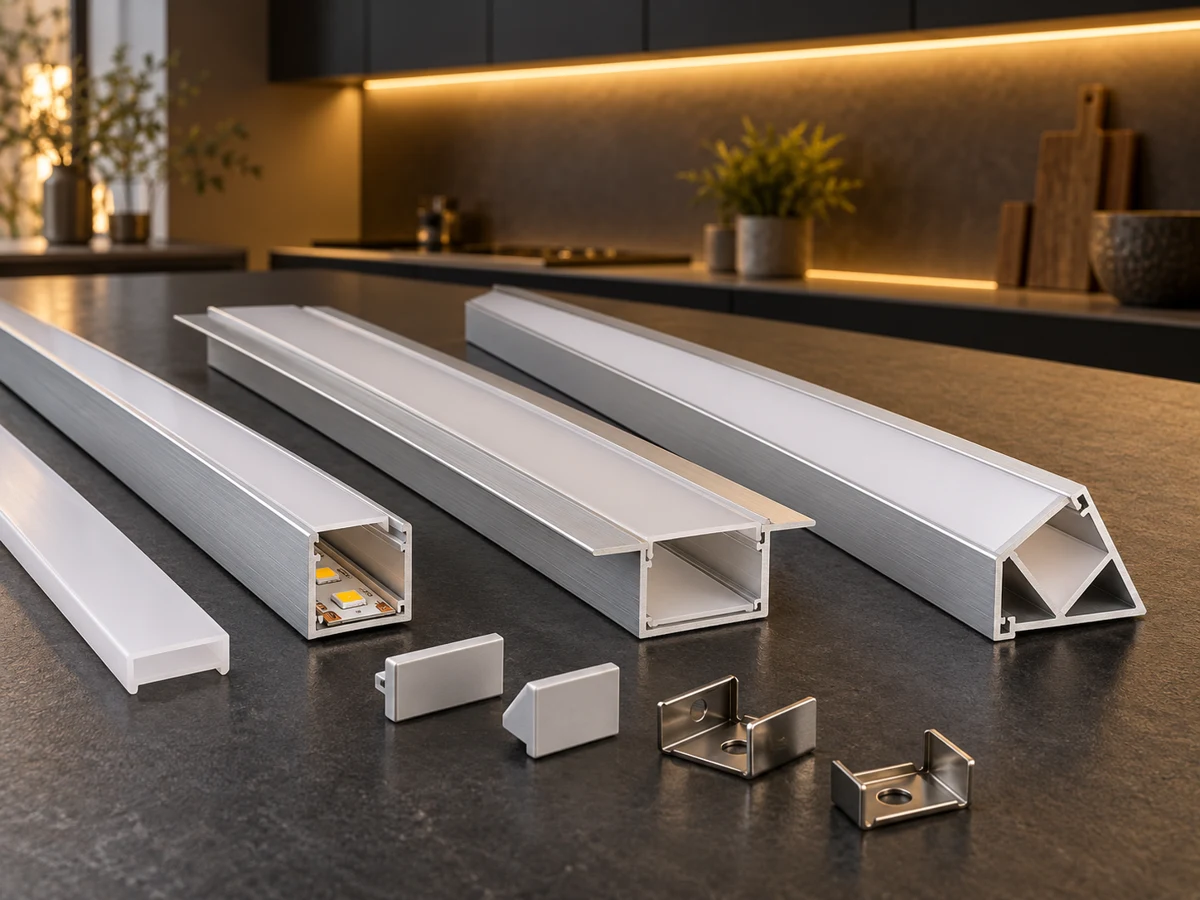
Control the drawing, delivered scope, accessory interfaces and acceptance evidence.
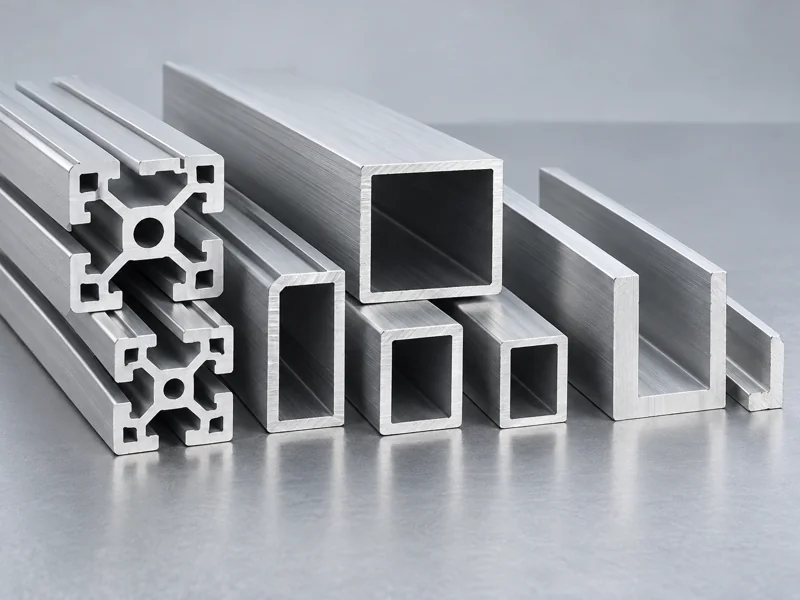
Compare alloy proposals together with temper, geometry, finish and the supplied component.
Read the guide →Specify material condition and evidence without treating temper as a universal performance rating.
Read the guide →Compare appearance, functional interfaces and inspection scope before choosing a profile finish.
Read the guide →Prepare a custom extrusion quote package: controlled drawings, die ownership, MOQ questions, trial samples, included processing and repeat-order terms.
Read the guide →Define profile-only or complete glass-door supply, section dimensions, glass and hinge interfaces, finish, sample evidence and written quote terms.
Read the guide →Compare bare LED channels, accessory kits and complete lighting assemblies. Define drawings, component interfaces, water-resistance evidence and written quote scope.
Read the guide →Explore retained catalog references, then confirm the actual section, supplied items, installation interfaces and evidence with the named supplier.
Keep skirting, lighting and handle supply scopes distinct.
Read the procurement reference →Match the section, installation interface and required evidence.
Read the procurement reference →Carry the section and drawing revision into the supplier discussion. Separate tooling, raw lengths, machining, finish, mating parts and approval responsibility. General extrusion records and LED-channel records describe different research scopes; a shared material does not make the suppliers interchangeable.
Section drawing, stock or custom tooling, processing and finished-part acceptance.
Browse 9 recorded companies →Bare channel, matched accessory kit or complete light; identify components, exclusions and assembly responsibility.
Browse 3 recorded companies →Directory coverage reviewed . Counts describe editorial records classified for these forms; they do not establish available stock, complete market coverage or qualification for your order. Open each company record for its official sources and review limits.
The company lists GZD95 as a thermally insulated folding-door system. Confirm whether the offer supplies aluminum profiles, fabricated frames, hardware, glazing or a complete assembled door; a system name is not acceptance of every component or project.
High-speed rail side top profile
Manufacturer-named rail extrusion family; controlled specifications to confirm.
Hongtai aluminum extrusion family
Hubei / Daye · Broad source-described profile range; exact model, specifications and producing entity to confirm.
Yingkou Liaohe Aluminium — company research · Electronic radiator profile
Liaoning / Yingkou · Manufacturer-named section research, reviewed 8 October 2026. Drawing, alloy, supplied state and order plant remain to confirm.
Record written supplier replies · Compare quote scope · Review drawings and samples · Prepare an inquiry
Prepare and download notes locally, then contact the supplier yourself after reviewing your requirements.
Jilin Liyuan Precision Manufacturing — company research · Window and door profile
The source describes aluminium profiles combined with insulating strips using a rolled assembly process. Complete window supply, selected section, finish and tested performance remain to confirm. Reviewed 8 October 2026.
Record written supplier replies · Compare quote scope · Review drawings and samples · Prepare an inquiry
Prepare and download notes locally, then contact the supplier yourself after reviewing the requirement.
Northeast Light Alloy (Dongqing) · Aluminium extruded profiles
The aluminium profile row lists 2, 3, 5, 6 and 7 series alloys, typical temper options and a circumscribed diameter range. Magnesium entries on the same source page are outside this record.
Catalogue published 5 November 2024; body reviewed 8 October 2026. The source-listed range does not establish current supply.
Record written supplier replies · Compare quote scope · Review drawings and samples · Prepare an inquiry
Prepare notes locally and contact the supplier yourself after checking the requirement.