Aluminum Sheet or Coil: Define the Delivered Form
Compare two supply routes by conversion work, equipment, yield and acceptance scope.
Start with the delivered form
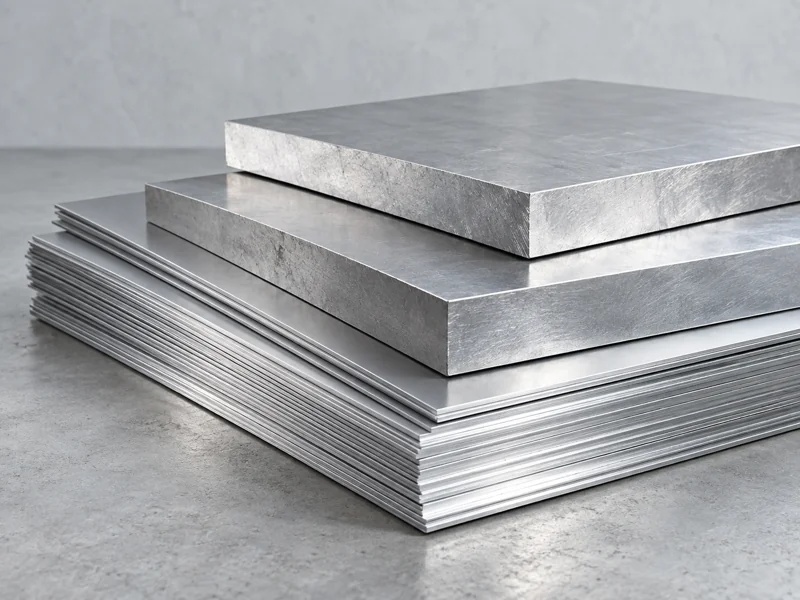
Start with what your receiving process can use. A price per tonne for a coil and a price for cut sheets can cover different work, packaging and usable quantities. This checklist helps you define both offers on the same delivered basis.
AlumHome buyer checklist · Updated 2 October 2026.
Define both offers
- Cut sheet route
- Request finished length and width, thickness, flatness, edge condition, surface protection and pack quantities. Identify who cuts and levels the material, and whether that work is included.
- Coil route
- State width, core requirements, maximum coil weight and outside diameter for your equipment. Confirm winding, packaging and handling requirements with the receiving team before asking for an offer.
- Conversion responsibility
- List slitting, levelling, cutting, film application and inspection. For each operation, identify the responsible party, acceptance criteria and included or excluded charge.
- Usable quantity
- Give the part layout or required blank sizes when available. Ask for the proposed yield and scrap treatment; do not compare gross coil weight with net usable blanks without an agreed conversion basis.
- Delivery and storage
- Ask how material will be supported and protected in transit and storage. Confirm lifting and receiving arrangements with the people who will handle it.
- Material identity
- Keep alloy, temper and applicable product specification visible in both offers. Switching form does not establish that the proposed materials are technically equivalent.
Questions to resolve
- Can the receiving process handle the proposed form without additional equipment or subcontracted work?
- Which offer includes the work needed to reach the usable blank or part?
- Are quantities, weight basis, scrap ownership and packing stated consistently?
A practical comparison
If Offer A supplies a master coil and Offer B supplies protected cut blanks, request a separate conversion scope for A before comparing prices. Record the unanswered cutting, levelling and scrap questions in the quote checklist.
The checklist organizes procurement questions; it does not select an engineering specification or establish material equivalence. Record unresolved requirements before approving samples or placing an order.