Compare Aluminum Profile Applications
Compare industrial frame, heat sink and solar mounting requirements before choosing a purchasing route.
See the application
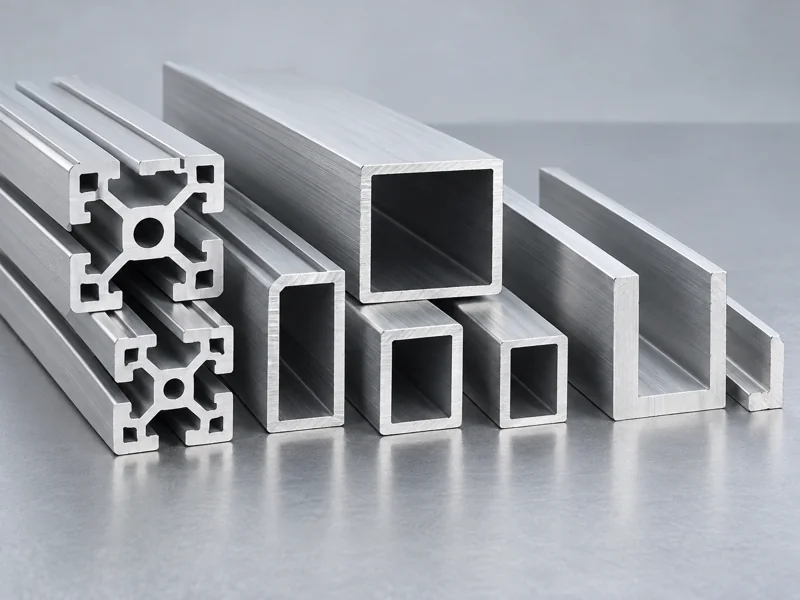
Match the question to the application
These buying routes can all involve extrusion, cutting, machining and finishing. Their acceptance criteria come from different assemblies. Start with the application drawing and evidence requirement, then ask suppliers to quote the same delivered stage. A useful comparison keeps unresolved technical inputs visible instead of treating a catalog section as an approved finished product.
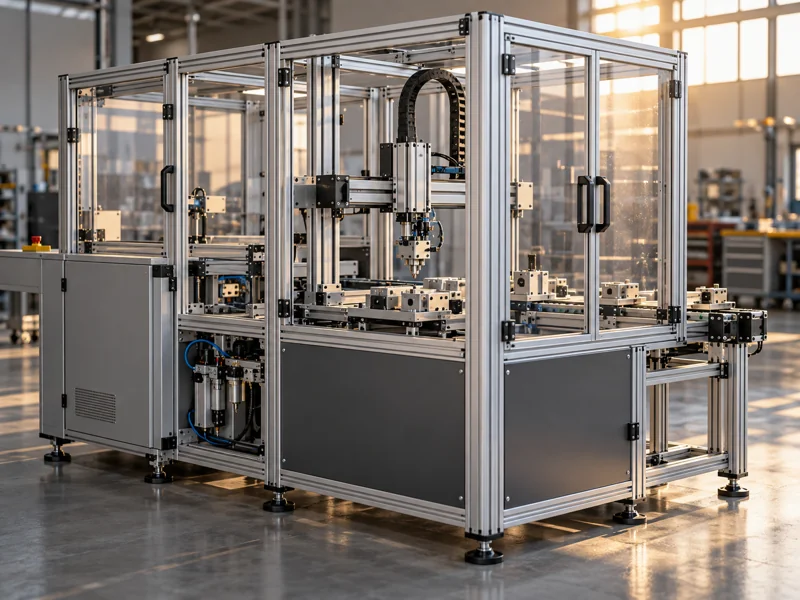
Industrial framing
Choose the section, connections and delivered assembly scope for workstations, machine frames and equipment supports.
Choose requirements →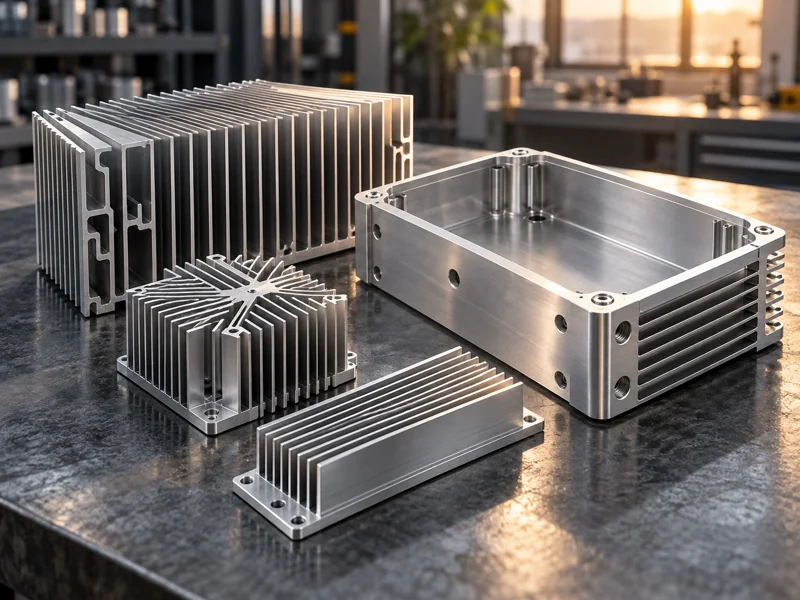
Heat sink profiles
Connect extrusion geometry to heat load, airflow, installation space and the finished contact surface.
Choose requirements →
Solar mounting rails
Define rail geometry, mating hardware and project evidence before sourcing solar mounting extrusions.
Choose requirements →
Compare requirements side by side
| Question | Industrial frame | Heat sink | Solar mounting |
|---|---|---|---|
| Main function | Assembly support and controlled interfaces | Heat transfer from the device to the cooling arrangement | A component in an approved mounting-system configuration |
| Critical inputs | Lengths, loads, supports and joint references | Heat load, ambient, airflow and contact faces | Project layout, designer requirements and hardware interfaces |
| Fit check | Slots, connectors, mounting faces and final geometry | Device footprint, holes, envelope and airflow clearance | Rail slots, clamps, splices, attachments and module interfaces |
| Validation boundary | Designer-approved frame and interface checks | Agreed thermal arrangement and finished-part checks | Order-relevant system documents plus component checks |
| Comparable quotation | Lengths, machined members, kits or assembled frame | Cut extrusion, machined part or validated cooling assembly | Rail lengths, accessory package or complete system |
Make an existing section and a custom proposal comparable
- Existing section
- Obtain the controlled section drawing and supplier reference. Confirm material condition, finish, conversion work and current commercial terms. A catalog section or an existing die does not establish immediate availability.
- Custom section
- Supply cross-section and finished-part revisions. Ask for feasibility questions, proposed geometry changes, tooling cost and sample requirements before authorizing a die. Record who approves drawing changes.
- Shared comparison boundary
- Use the same quantity, delivered lengths or parts, finish, inspection, packing and destination. Separate one-time tooling and validation costs from repeat-order production charges.
- Alternative proposal
- Identify any changed drawing, alloy, temper, process or finish. Record the responsible designer’s decision, which checks must be repeated, and how the accepted change enters the controlled documents.
Follow a practical decision sequence
- Identify the deliverableChoose a frame member, heat sink part, solar rail or complete assembly. Record which operations and components are outside the purchase.
- Control the drawingKeep section, finished part, interface references, units and revision together. Ask suppliers to flag missing or inconsistent inputs.
- Set acceptance with the design ownerRecord structural, thermal or system evidence relevant to the order. Leave unknown values unresolved until the responsible reviewer defines them.
- Normalize the quotationsRequest written inclusions, exclusions and substitutions. Compare totals only after the delivered scope is aligned.
- Keep a review trailSave the accepted drawing and quoted scope, then record sample evidence and unanswered supplier questions before production release.
Common selection questions
Which profile application is best?
Choose the route matching the assembly function and controlled requirements. These application categories do not provide a supplier ranking or a universal section recommendation.
Can one extrusion supplier cover all three applications?
General extrusion scope does not prove every application requirement. Ask for the particular section, operations, sites and order-relevant evidence.
Should prices be compared per kilogram or finished part?
Ask for a transparent price basis and keep the delivered stage consistent. Separate hardware, machining, finish, tooling, inspection and packing to understand total scope.
Does a checklist select a safe design?
It communicates design and purchasing requirements. The responsible product or project professional must set and approve performance requirements.
What if a supplier cannot meet the drawing?
Ask for a marked proposal explaining each change. Keep the original and proposed revisions distinct until the design owner authorizes the alternative.
Sources and next steps
This is an AlumHome editorial comparison of procurement inputs. Technical background: 80/20 profile and loading inputs; Eaton heat sink constructions; Unirac system components. Sources reviewed 3 October 2026.