Architectural Aluminum Profile Procurement
Choose window, facade, decorative and lighting-related procurement routes, then control the delivered scope and project evidence.
Explore the application
Choose a component or system route
Architectural aluminum procurement starts with the project’s defined components and approval responsibilities. Keep windows, facades, decorative members, panels and lighting channels visible as different purchase routes. A supplier’s broad aluminum capability does not establish every interface, complete-system deliverable or project qualification. Use controlled project documents to decide which parts belong in each quotation.
Architectural profile procurement
Control the drawing, delivered scope, accessory interfaces and acceptance evidence.
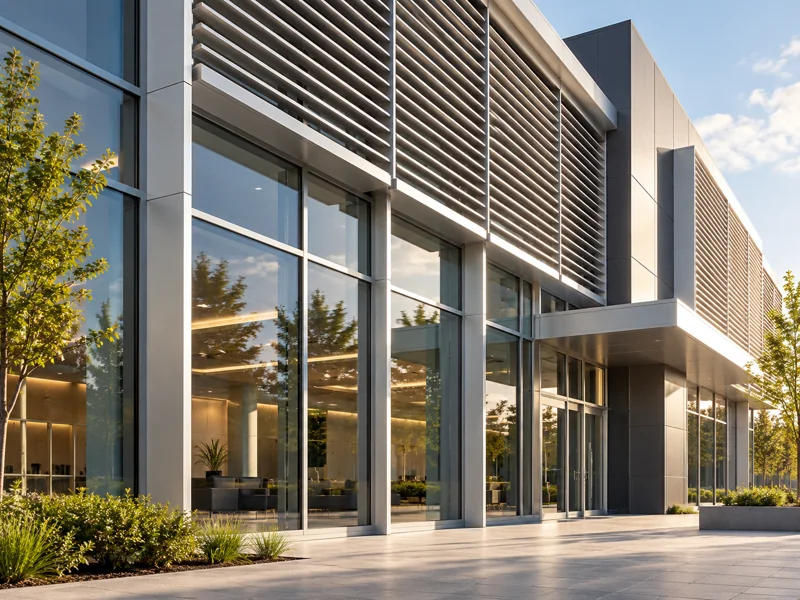
Windows and curtain walls
Control the drawing, delivered scope, accessory interfaces and acceptance evidence.
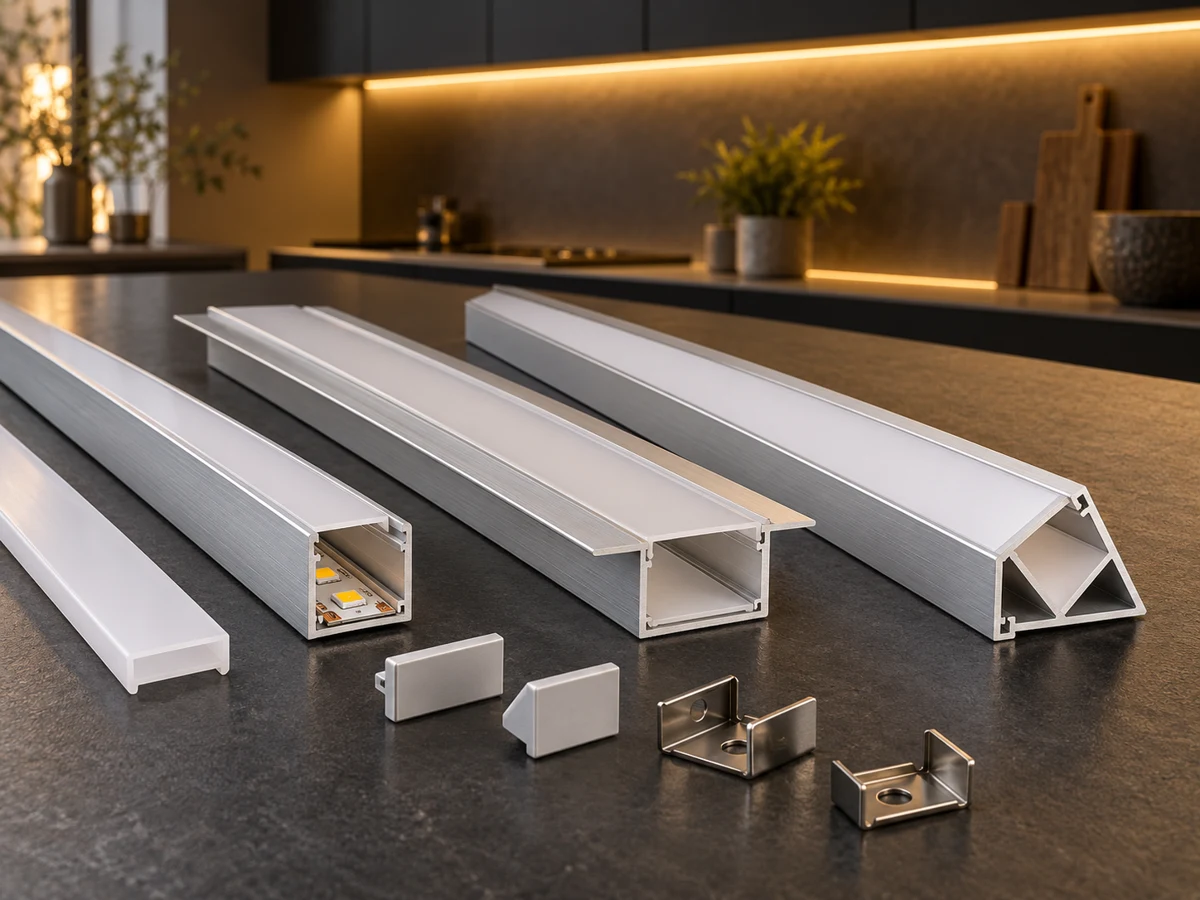
LED channels and accessories
Control the drawing, delivered scope, accessory interfaces and acceptance evidence.
Set the architectural purchase boundary
Window and facade members
Control the section schedule, system references, seals, glazing and hardware interfaces. Identify full-length material, fabricated members or a complete assembly.
Decorative and interior profiles
Define visible faces, mounting details, finish sample, cut lengths and accessory scope. Appearance in a rendering does not establish a tested installation or load-bearing suitability.
Panels and fabricated parts
Keep sheet or plate supply, cutting, joining, finishing and attachment components separate. This hub does not turn a panel requirement into an extrusion order.
Collect the project brief
- Project reference
- Record project location, component identifiers, responsible design owner and approved revision. State what the supplier is being asked to manufacture rather than sending an unlabeled rendering.
- Drawing and interfaces
- Provide section, member and assembly references with units. Flag matching hardware, seals, mounting and adjoining components. Proposed changes need a responsible review decision.
- Material and finishing
- Record the designer’s specified material condition or a proposal to confirm. Identify visible surfaces, finish sample, masking and material or finish evidence required for the order.
- Quantity and supplied state
- Distinguish full lengths, cut members, machined components, accessory packages and assembled systems. Identify trial quantities and repeat-order quantities on the same scope basis.
- Acceptance and release
- State which evidence concerns material, fabrication and the complete assembly. Record open questions, approval owner and sample-review actions before production release.
- Packing and delivery
- Define identification, visible-surface protection, delivery destination, sequence and receiving needs. Do not assume installation, glass, electronics or accessories are included.
Compare the same package
Read the scope comparison before comparing unit prices. A profile price per mass, a fabricated member price per piece and a complete system price cover different supplied states. Ask each supplier to list inclusions and exclusions; keep tooling, machining, accessories, inspection and transport explicit.
Research architectural suppliers
Existing Xingfa, JMA and Fenglu records provide company-source architectural extrusion leads. Review the source date and claimed capability, then request evidence for your exact section, operations and supplied state. No platform listing establishes project approval, available stock, universal minimum order or a delivery commitment.
Start and follow your inquiry
Prepare a controlled brief, register attachments and send it through your own email service. The procurement center is addressed to Tony; it does not automatically distribute messages to listed manufacturers. Record actual acknowledgement separately from an email-link click and keep quotation clarifications in a supplier reply record.
Architectural procurement questions
Does this hub approve a building system?
No. It organizes purchase requirements. The responsible project professionals determine the applicable design, regulatory and acceptance requirements.
Are decorative and structural profiles interchangeable?
Use the approved component function and drawings. An attractive section or material designation alone does not establish structural suitability.
Where should a panel request go?
Use the sheet-and-plate route and define subsequent fabrication, finishing and attachment scope. Extrusion and flat-product sourcing have different delivery boundaries.
Can one quotation include lighting and architectural components?
Yes, if the written package identifies each component and responsible operation. Keep lighting performance and electrical scope distinct from architectural extrusion supply.
Product routes and primary references
WICONA’s window families and facade families provide examples of distinct system routes, not an endorsement of suppliers or projects on AlumHome. Reviewed 3 October 2026.
Research architectural profile companies
Open architectural company research and request order-specific system, interface and acceptance evidence.