Standard or Custom Aluminum Extrusions?
Define the section, conversion work and tooling terms before choosing a purchasing route.
Begin with the part you need
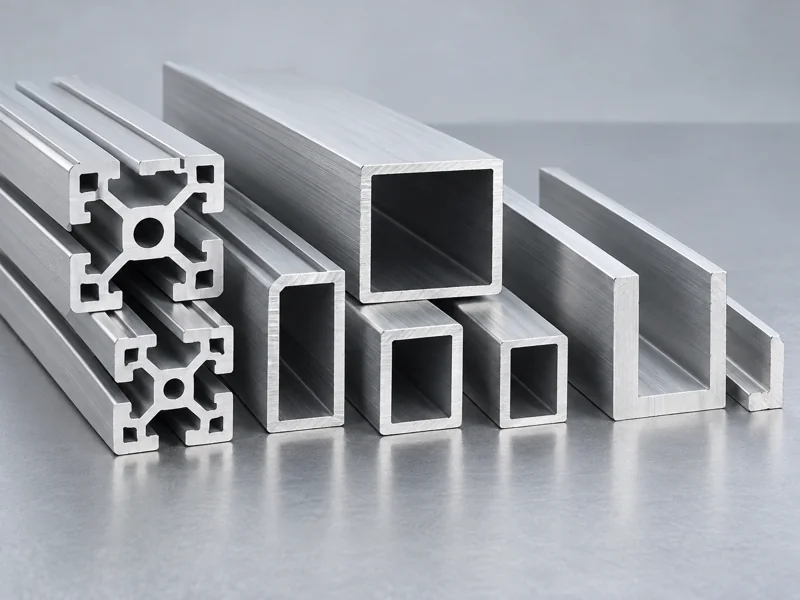
Start with the finished part and its interfaces, rather than the name of a catalog section. Ask whether an existing profile can meet the controlled requirement with the intended cutting, machining and finishing work. If a new section is proposed, make its geometry and tooling scope visible in the quotation.
Compare both routes
- Existing section
- Request the supplier's section identifier and a current dimensional drawing. Check the actual alloy, temper, delivered length and finish offered. A catalog listing does not establish current stock, order quantity or availability.
- Custom section
- Provide a controlled cross-section and finished-part drawing, with units and revision. Ask the supplier to document feasibility questions and proposed changes before tooling authorization.
- Finished-part scope
- Identify cutting, drilling, machining, deburring, finishing and inspection separately. Compare an existing section and a custom extrusion at the same delivered stage.
- Material and interfaces
- Record the specified material condition and the mating parts or assembly references. Do not approve a changed section or material solely because its catalog description sounds similar.
- Demand and release plan
- State the trial quantity, first production order and expected reorder pattern. Ask for separate tooling, sample and production terms rather than assuming an existing die means immediate supply.
Agree tooling terms in writing
- Ownership and permitted use
- Identify who owns the tooling, what the quoted payment covers and whether reuse for other buyers is permitted. Keep exclusivity terms distinct from a general tooling charge.
- Maintenance and changes
- Ask how repairs, replacement, design revisions and repeat trials will be charged and approved. Specify who authorizes a change and how it affects the drawing revision.
- Storage and transfer
- Clarify storage duration, inactivity terms and whether transfer to another plant or supplier is possible. Record restrictions instead of assuming tooling can be moved freely.
- Sample approval
- Define the sample identity, inspection evidence and responsible reviewer. Separate permission to make a trial from permission to start production.
Resolve the quote boundary
If one offer supplies cut lengths from an existing section and another supplies a new die plus machined parts, compare the missing conversion, tooling and sample costs first. Use written exclusions and unanswered questions; do not rank prices that cover different deliverables.
Technical background
Hydro's design manual identifies profile design, wall thickness and alloy as factors affecting achievable tolerances. Its discussion also notes that tighter tolerances can affect productivity and price. Use the manufacturer's profile-tolerance discussion as design background, then agree order-specific requirements with the responsible engineer and supplier.
Primary reference reviewed 2 October 2026. No standard tolerance values, current standard editions or technical equivalence are assigned by this checklist.
Continue the procurement path
Match the purchasing route to the application
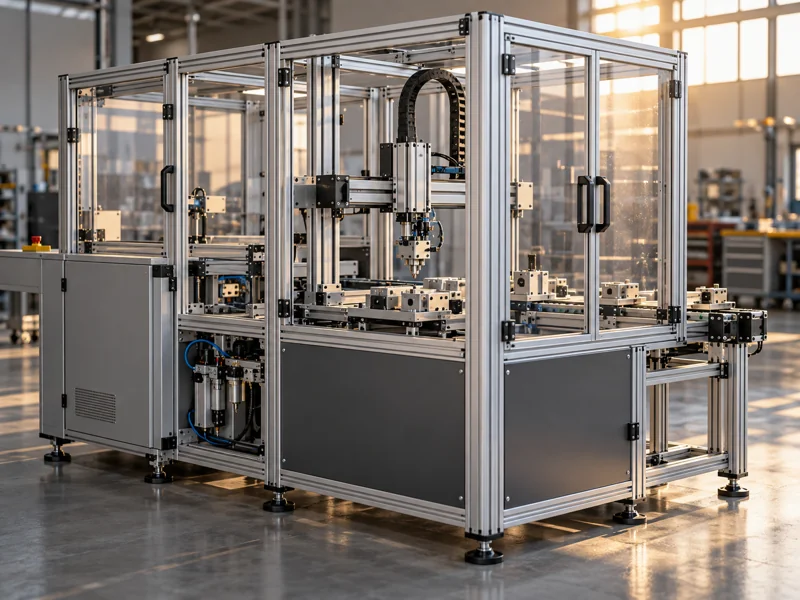
Industrial framing
Choose the section, connections and delivered assembly scope for workstations, machine frames and equipment supports.
Choose requirements →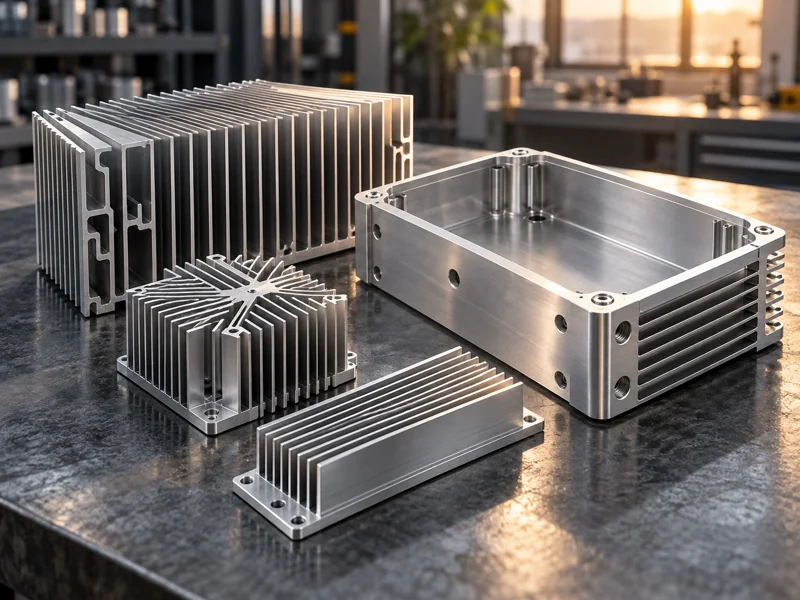
Heat sink profiles
Connect extrusion geometry to heat load, airflow, installation space and the finished contact surface.
Choose requirements →
Solar mounting rails
Define rail geometry, mating hardware and project evidence before sourcing solar mounting extrusions.
Choose requirements →