Profiles & Extrusions
Choose requirements for industrial framing, heat sinks and solar mounting, then connect the section drawing to suppliers and a clear purchasing scope.
Choose an aluminum profile by application

Industrial framing
Choose the section, connections and delivered assembly scope for workstations, machine frames and equipment supports.
Choose requirements →
Heat sink profiles
Connect extrusion geometry to heat load, airflow, installation space and the finished contact surface.
Choose requirements →
Solar mounting rails
Define rail geometry, mating hardware and project evidence before sourcing solar mounting extrusions.
Choose requirements →
Compare before you request a quote
Specification fields
- Material identity
- Alloy, temper and required product specification.
- Product geometry
- Cross-section drawing · length · wall thickness · tolerance
- Processing route
- Extrusion · machining · finishing
- Order scope
- Quantity, packaging, destination and required timing.
Continue your research
Companies
Find the relevant company role and evidence fields.
Explore →Processing
Understand the operations in the proposed route.
Explore →Sourcing brief
Put the requirement into one structured document.
Explore →
Prepare the next conversation
Explore the processing route
Review the drawing, operation scope and acceptance questions for this product form.
Read the process checklist →Write the specification
Keep material, geometry, processing and required evidence together.
Build the requirement →Compare supplier responses
Check what is included, excluded or proposed as an alternative.
Review the comparison checklist →
Before you compare supplier offers
Stock section or custom tooling?
For a stock section, supply a controlled cross-section drawing and supplier reference. For a custom profile, ask separately about die cost, ownership, modification rights and repeat-order availability. A similar-looking section is not evidence of compatibility.
Raw lengths or finished parts?
Identify finished lengths, holes, slots, threads, mating faces and deburring requirements. Confirm which drawing revision governs the offer and whether machining, finishing and packing are included.
First article and appearance
Mark critical dimensions and visible faces. Agree finish, colour reference, protective packing, sample approval and inspection before and after finishing. Confirm who approves substitutions.
Sample approval and repeat orders
- Approval record
- Agree the drawing revision, sample identifiers, checks performed and who authorizes production. A sample photograph alone does not establish dimensional acceptance.
- Comparable costs
- Separate material, tooling, processing, inspection, packing and transport charges. Ask what changes on a repeat order and how delivery timing is confirmed.
- Company role
- Confirm whether the contracting entity manufactures, processes or resells the product. Request evidence for the operations relevant to your order; directory presence is not an audit.
- Unresolved fields
- List missing information and proposed alternatives explicitly before approving the quotation.
Reference and next step
The Aluminum Association processing overview describes extrusion, rolling and drawing routes. The questions above are AlumHome procurement checklists, not supplier capability claims or engineering approval. Reviewed 2 October 2026.
Company research and material identity
Xingfa Aluminium
Read source-described profile scope and evidence limits. No current stock or quotation is established.
JMA Aluminium
Review the published extrusion scope and confirm the contracting entity for your order.
Fenglu Aluminium
Review the architectural and industrial profile sources, then confirm the proposed extrusion and finishing sites.
Specify the material
Keep alloy, temper and product acceptance requirements together.
Custom profile procurement
Define the delivery route, tooling boundary and sample evidence before a production release decision.
From Profile Requirements to Supplier Questions
Connect the section drawing, tooling terms, processing and source-documented company research in one procurement route.
Research this supplier category
Review the published company ranges alongside the information needed for a comparable quotation.
Profile selection questions
Where do I start if I only have an application?
Choose the application above and collect its drawing, operating conditions and interfaces. Record unknown fields rather than selecting a section by appearance.
Can this center recommend an approved supplier?
Company links lead to sourced research with evidence limits. Confirm the exact order scope and relevant evidence with each supplier.
Can I download a purchasing checklist?
Each application page offers an editable local checklist. It does not send a request or select an engineering design. Review it before sharing.
What should match between two offers?
Keep drawing revision, material condition, finish, delivered stage, quantity, inspection, packing and destination consistent. List tooling and exclusions separately.
Explore architectural and lighting profile procurement

Architectural profile procurement
Control the drawing, delivered scope, accessory interfaces and acceptance evidence.
Windows and curtain walls
Control the drawing, delivered scope, accessory interfaces and acceptance evidence.
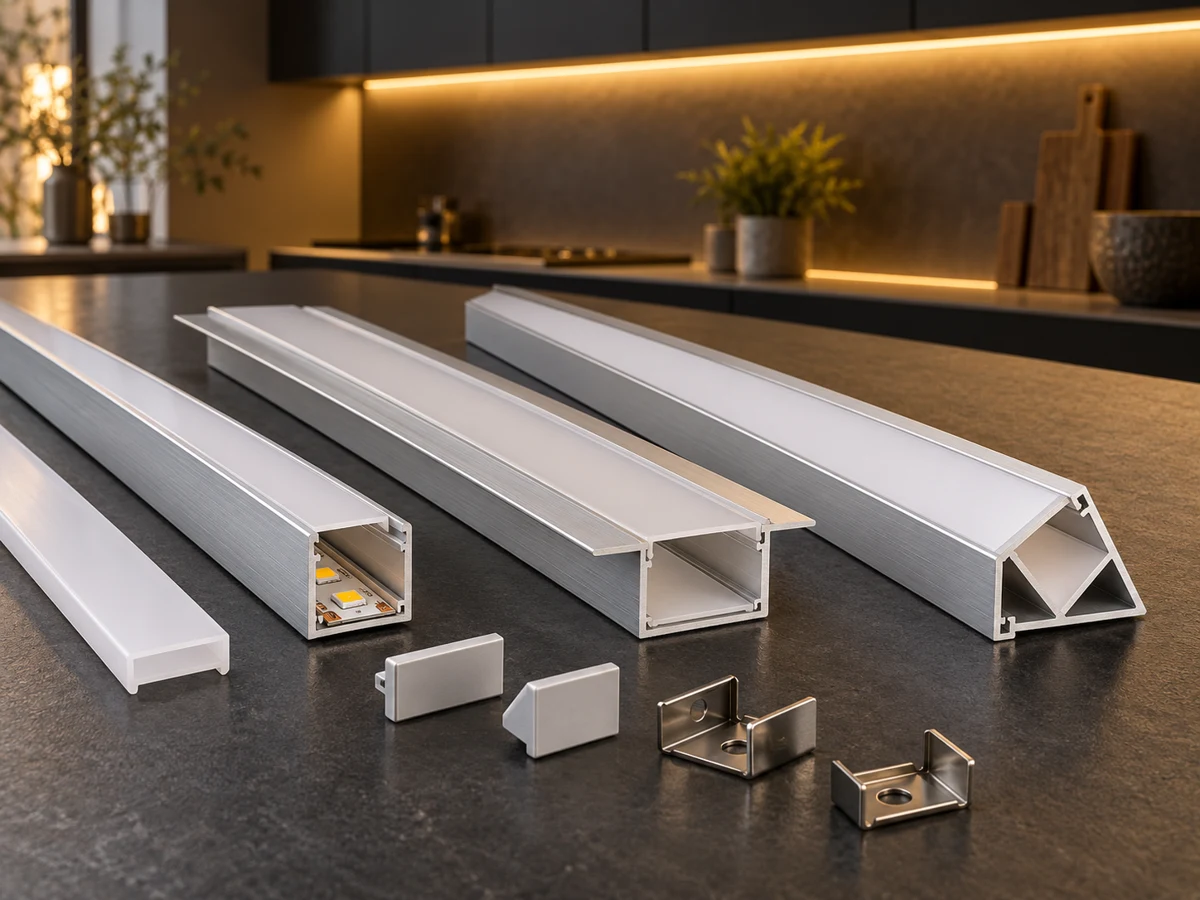
LED channels and accessories
Control the drawing, delivered scope, accessory interfaces and acceptance evidence.
Aluminum profile material and procurement guides
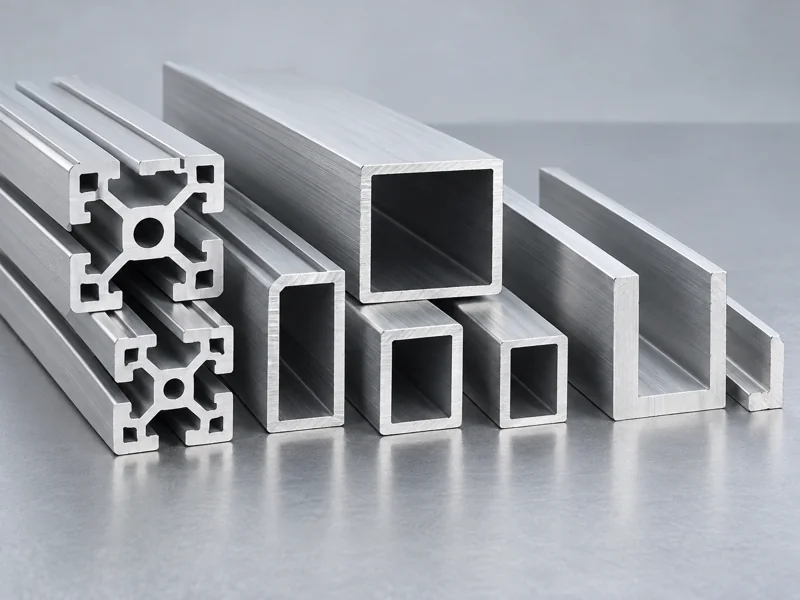
6061 vs 6063 Aluminum Profiles
Compare alloy proposals together with temper, geometry, finish and the supplied component.
Read the guide →T5 vs T6 Aluminum Temper for Extrusions
Specify material condition and evidence without treating temper as a universal performance rating.
Read the guide →Anodizing vs Powder Coating Aluminum Profiles
Compare appearance, functional interfaces and inspection scope before choosing a profile finish.
Read the guide →Custom Aluminum Extrusion Buying Guide
Control drawings, tooling, samples and delivered scope from the first quote to production release.
Read the guide →